
Counseling in Warrenton for adults, teens, and children
Our Broadview Avenue office serves Fauquier County with in-person therapy for children from age six, teens, and adults. Tell us what has been going on and our intake team will review fit and availability, then reach out, usually within one business day.
- In network with BCBS / Anthem, Sentara, Cigna, UnitedHealthcare, and more
- Matched by a real intake team, not a directory of profiles
- Weekday daytime appointments, minutes from the center of town
Takes a few minutes. Secure, and reviewed personally by our intake team — not an automated match.

Take the first step
Therapy that starts with a real conversation
Matched by people, not a directory
Share a few practical details and an intake coordinator reviews your needs, insurance, schedule, and preferences, then introduces you to a clinician who fits.
One practice for the whole family
Children from age six, teens, and adults are seen in the same office, so a family can get care in one place without juggling several practices.
Licensed, supervised, consistent
Licensed clinicians and supervised residents, with clinical supervision led by Approved Clinical Supervisors, so care stays careful and consistent.
Your first visit at 169 Broadview Ave
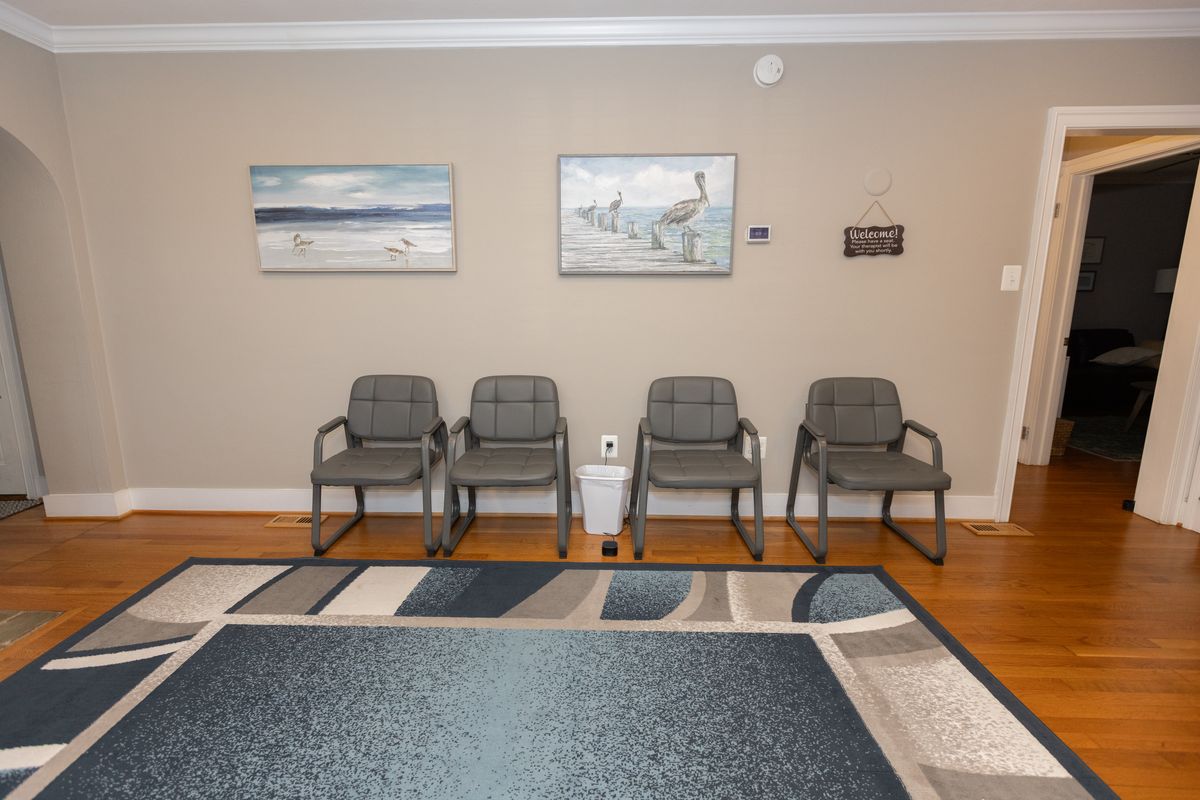

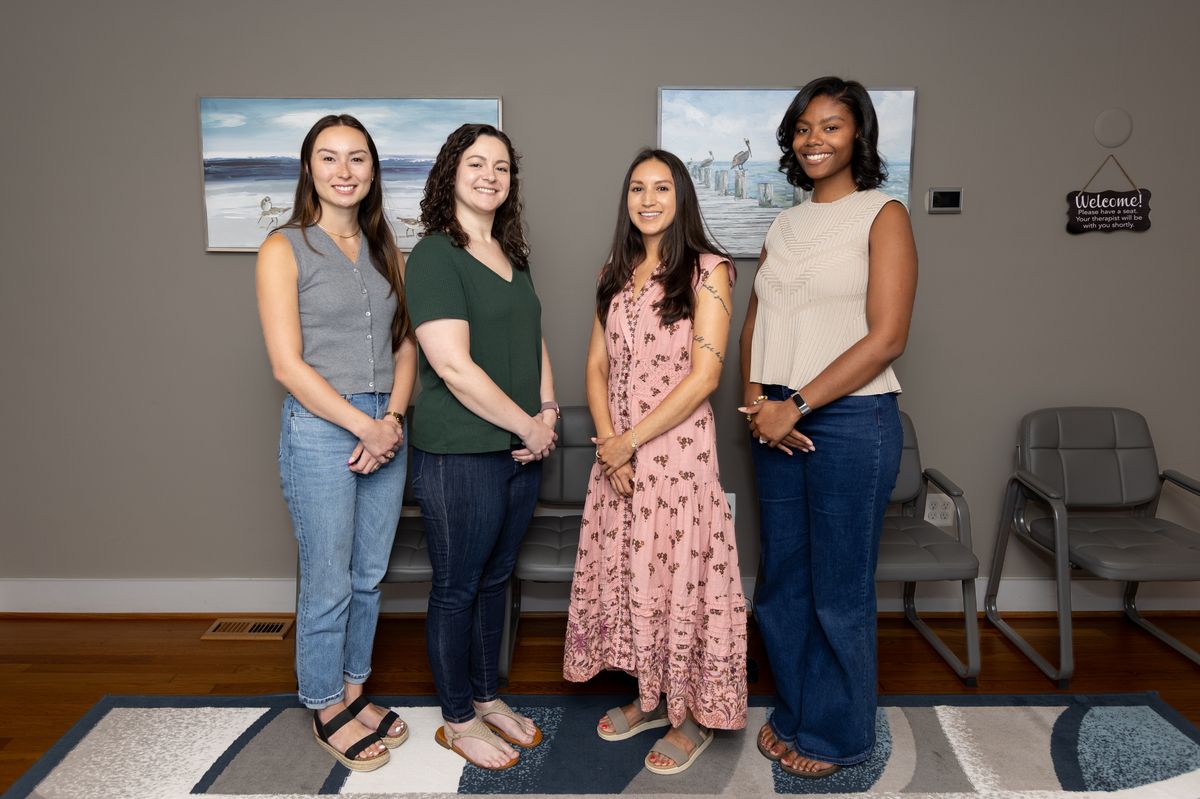
Warrenton is our northernmost office, serving Fauquier County and the commuter communities that stretch toward Prince William. Many of the adults we see here are managing a long workday on top of everything else, and scheduling is the first thing they ask about.
The office handles the full range of our work — children from age six, teens, and adults — in a space designed to feel calm the moment you are through the door.
The office is at 169 Broadview Ave, with ample and accessible parking on site. Arrive a few minutes early for your first appointment to complete paperwork.
This office serves Warrenton and the surrounding Fauquier County communities, including New Baltimore, Bealeton, Marshall, The Plains, Catlett, Gainesville, Haymarket, and Fauquier County. Adults anywhere in Virginia can also be seen online.
Warrenton office
- Address169 Broadview Ave
Warrenton, VA 20186 - Phone540-227-0505
- HoursWeekday daytime sessions by appointment
- ParkingAccessible parking on site
Get matched
Tell us what is going on and the intake team will review fit and availability at our Warrenton office.
Get Matched with a TherapistOr call 540-227-0505 and our intake team will help you figure out the right fit.
Therapists at the Warrenton office
You do not need to choose. Tell us what is going on and the intake team will match you with the clinician whose experience and availability fit best.

Alana believes people need someone who can really witness what they are going through. Her style is warm, reflective, and person-centered. She is not there to hand clients the answer. She would rather help them slow down, notice what keeps showing up, and get to the “aha” moment in their own way.
Alana earned a Bachelor of Science in Psychology with a minor in Religious Studies from Virginia Commonwealth University and later completed her Master’s in Clinical Mental Health Counseling at VCU. Before graduate school, she worked in an inpatient psychiatric setting with adolescents, an experience that gave her direct exposure to the complexity of mental health concerns before she entered the counseling profession.
Alana enjoys working across age groups and is especially drawn to grief and loss, including grief work with older adults. She also works with anxiety, depression, identity, life transitions, and adults who feel pulled in too many directions at once. Family, relationships, culture, and the larger systems around a person are often part of the story too.
Alana does not expect one approach to fit everyone. Depending on the client, she may pull from person-centered, strengths-based, systems, narrative, self-compassion, or Acceptance and Commitment Therapy work. She sees therapy as gradual. Trust comes first, and from there clients can look more honestly at what hurts, what they already have going for them, and what they want to change.
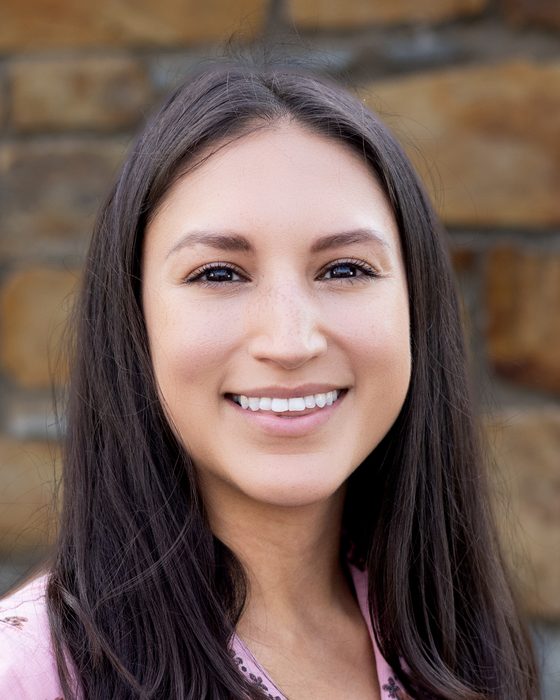
Brittany is warm, relatable, and engaged. She wants clients to feel heard and believed, while also helping them better understand themselves and create meaningful change outside the therapy room. She pays attention not only to what happened that week, but also to the patterns beneath it; what gets avoided, repeated, or carried into relationships. Using curiosity and honest reflection, Brittany helps clients explore these patterns without judgment. She also makes room for humor when it fits, because meaningful therapy does not have to feel serious every minute. Once trust is established, she is not afraid to offer a gentle, helpful push when clients feel stuck.
Brittany earned a Bachelor of Science in Neuroscience from the University of Nevada, Reno and a Master of Social Work from George Mason University. Before becoming a therapist, she worked at Fort Belvoir’s Traumatic Brain Injury Clinic with active-duty service members as part of a multidisciplinary treatment team. That experience shaped her holistic view of care and reinforced the importance of looking at the whole person, including mental health, relationships, physical well-being, sleep, routines, and environment.
Her graduate training included victim advocacy through the U.S. Attorney’s Office in Washington, D.C., along with work in a court-mandated batterer intervention program. These roles gave Brittany a broader understanding of the people and patterns surrounding relationship violence, including the ways trauma and unhealthy dynamics can become cyclical. They also reinforced her belief that compassion and accountability can coexist: understanding someone as a whole person does not require minimizing harm. Brittany meets clients as human beings – not as the worst thing that has happened to them, a choice they regret, or the guilt they carry.
Brittany especially enjoys working with emerging adults and women navigating motherhood, relationship and interpersonal challenges, difficult family dynamics, identity, and major life transitions. Her work is trauma- and attachment-informed, recognizing that present-day coping and relationship patterns often make sense in the context of what someone has lived through and the relationships that shaped them. Common areas of focus include anxiety, depression, trauma and PTSD, social anxiety, family-of-origin concerns, boundaries, and recurring interpersonal patterns. She also welcomes active-duty service members across all career stages, as well as veterans navigating military-related experiences or the transition to civilian life.
Brittany’s approach is collaborative and respects each person’s autonomy and readiness for change. When someone knows what they want to do but cannot seem to get started, she helps identify a first step small enough to actually happen. This may include between-session practice, strengthening communication or coping skills, or working through a difficult task together during the session. Her goal is for therapy to feel human and supportive while still helping clients move toward the life and relationships they want.

Ella starts from a simple idea: people make more sense when you understand the suffering underneath the behavior. She believes people are inherently worthy, even when they are struggling or showing up in ways they do not feel proud of. Her job is to create enough calm and safety for clients to be honest, then challenge them when that challenge can actually help.
Ella earned a Bachelor of Science in Psychology and a Master of Arts in Clinical Mental Health Counseling from Roosevelt University. Her clinical experience has included work with adults in private practice and a broad range of concerns including trauma, anxiety, depression, ADHD, self-image, relationships, and questions of purpose and belonging.
Trauma is a particular area of interest for Ella, including both acute trauma and more complicated relational trauma rooted in childhood or adult relationships. She especially enjoys working with teens, emerging adults, and young adults who are trying to understand themselves, get through a difficult transition, or figure out what they actually want their lives to look and feel like.
Ella uses CBT, Acceptance and Commitment Therapy (ACT), mindfulness, and trauma-informed approaches, but she tends to explain the work in plain language. Often that means helping a client zoom out from the immediate problem, reconnect with what matters to them, and ask whether their current choices are taking them toward or away from the life they want. Clients have described Ella as easy to talk to and calming to be around.
Ella believes therapy can hold serious work and still have room for humor. Progress does not mean hard feelings disappear. Sometimes it means learning that you can feel something difficult, understand what it is telling you, and get through it without losing yourself.
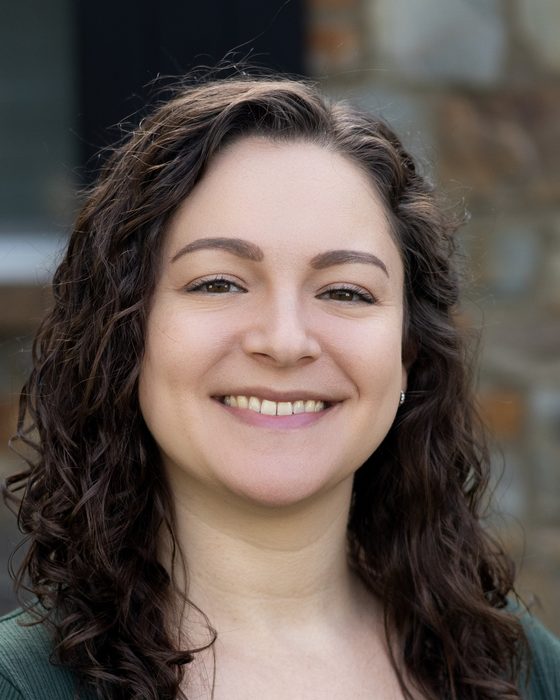
Jene’ believes there is usually a reason people respond the way they do. A diagnosis, behavior, or difficult chapter may be part of someone’s story, but it does not explain the whole person. Her style is warm, conversational, and honest. She gives clients room to tell their stories in their own way while remaining active in the work, asking thoughtful questions, sharing what she notices, and helping clients put words to experiences that may be difficult to name.
Jene’ earned a Bachelor of Science in Psychology from Central Michigan University and a Master of Arts in Clinical Mental Health Counseling from Adams State University. Her professional background includes work in emergency shelters, crisis services, residential care, and outpatient substance use disorder programs. At Seasons Counseling, she also serves as a Clinical Supervisor for Residents in Counseling.
Jene’ works with children, adolescents, and adults. She helps clients look beneath the surface to understand how past experiences, relationships, emotions, and beliefs may be shaping what is happening now. She may help someone recognize a pattern or connection they have not seen before, or gently question conclusions shaped by shame, fear, or self-criticism. Clients do not need to arrive with everything figured out or feel that they have to hold everything together in the therapy room.
Her approach is person-centered, relational, attachment-informed, and trauma-informed. She draws from cognitive behavioral therapy (CBT) and, when useful, strategies from dialectical behavior therapy (DBT) and acceptance and commitment therapy (ACT). Jene’ does not view coping patterns as character flaws. Many developed for a reason and may once have helped someone survive, feel safer, or stay connected. Understanding where those responses came from creates an opportunity to decide what is still serving them, what may now be causing pain, and what they would like to do differently.
Getting started is simple
Tell us what you are looking for
Share a few practical details through our secure matching form.
Our intake team reviews fit
We review your needs, preferences, insurance, location, and availability.
We guide the next step
We help identify an appropriate therapist and walk you through what happens next.
Insurance and payment
Seasons is in network with several major plans. Participation varies by clinician and service, so the intake team confirms what applies to you before your first appointment. Self-pay options are also available.
Seasons does not participate with Medicare.
Frequently asked questions
Where exactly is the Warrenton office?
169 Broadview Avenue, minutes from the center of Warrenton and straightforward to reach from across Fauquier County, with accessible parking on site. Arrive a few minutes early for your first visit to complete paperwork.
Do you see children and teens in Warrenton?
Yes. The Warrenton office works with children from age six, teens, and adults. Tell us who needs care on the form and the intake team will match accordingly.
What happens after I submit the form?
The intake team reviews your responses, usually within one business day. If Seasons appears to be a fit, we contact you about next steps and an appropriate clinician. If your needs fall outside our scope, we say so and may suggest other resources.
Do you take my insurance?
Seasons works with several major insurance plans. Coverage and clinician participation vary, so our intake team will help you review the options available for your needs and preferred location.
How soon can I start therapy?
Availability varies by therapist, location, insurance, and scheduling needs. After reviewing your information, our intake team will explain the available options and next steps.
Is therapy confidential?
Therapy is confidential, with limited legal and ethical exceptions related to safety and other circumstances required by law. Your therapist will explain confidentiality and its limits during your first session.
What should I do in a crisis?
Seasons is an outpatient therapy practice and does not provide emergency or crisis response through website forms, voicemail, email, or social media. If you or someone else may be in immediate danger, call 911. For mental health crisis support in the United States, call or text 988.
Ready to take the first step in Warrenton?
Share a few details and the intake team will take it from there. Prefer to talk? Call and we will take the same details over the phone.