
Therapy in Locust Grove
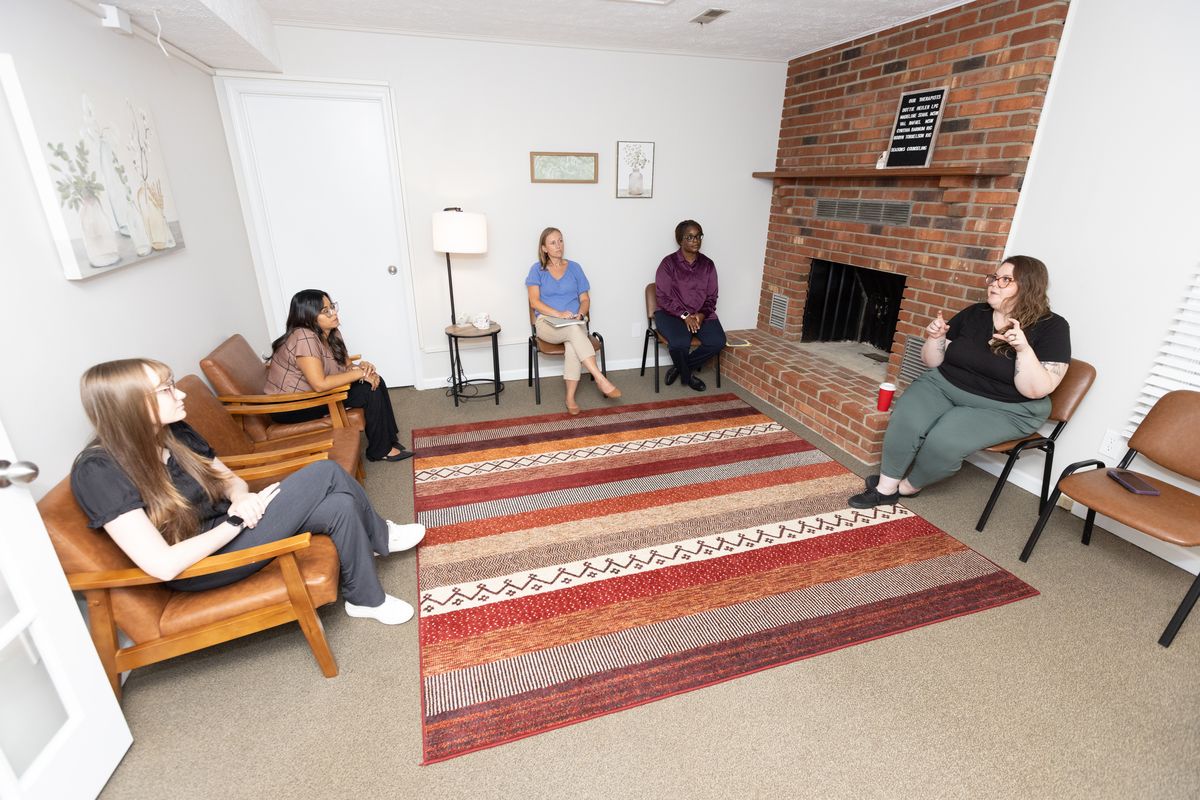
Seasons Counseling offers in-person therapy in Locust Grove, with clinicians serving adults, teens, and children. We help clients find care based on their needs, preferences, availability, and goals.
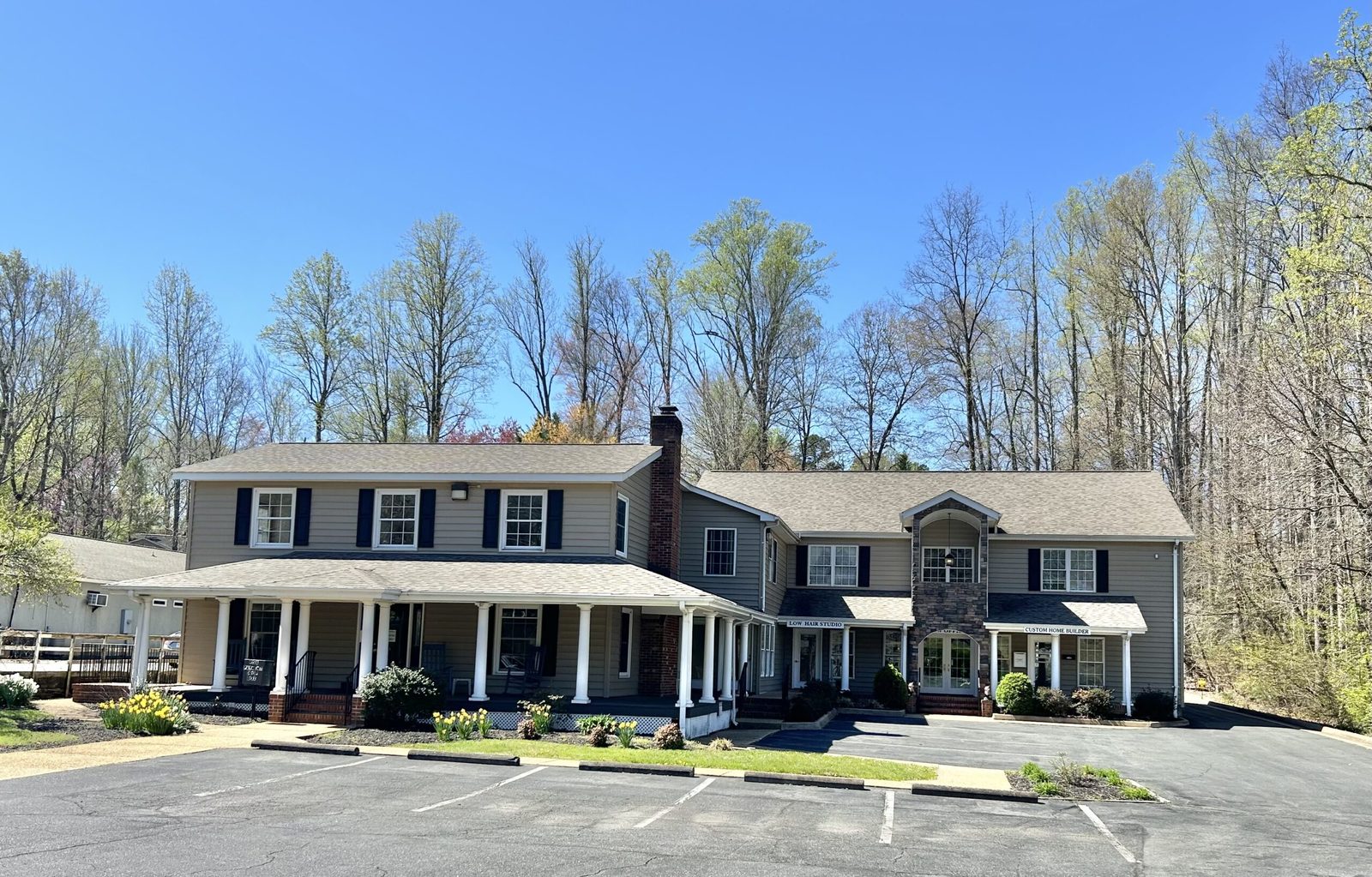
Locust Grove serves a stretch of Central Virginia where good outpatient therapy has historically meant a long drive. For families around Lake of the Woods, Orange, and western Spotsylvania, this office removes that trip.
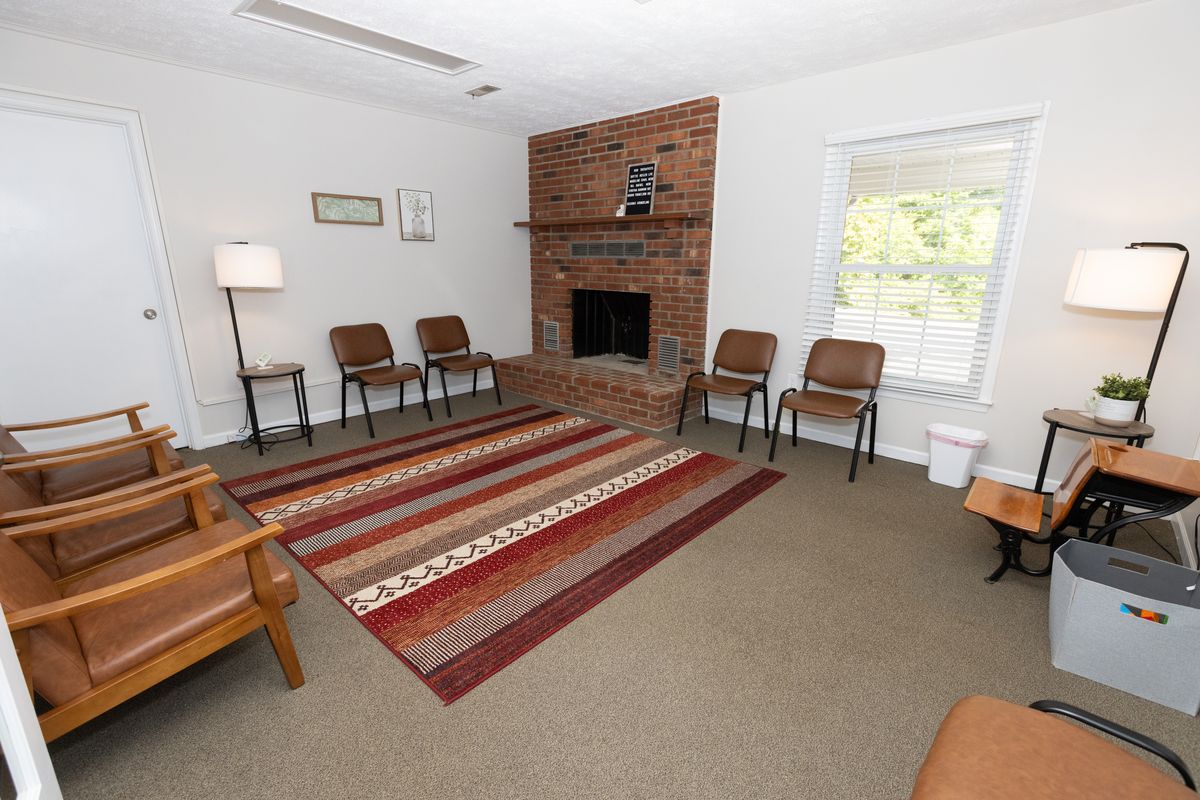
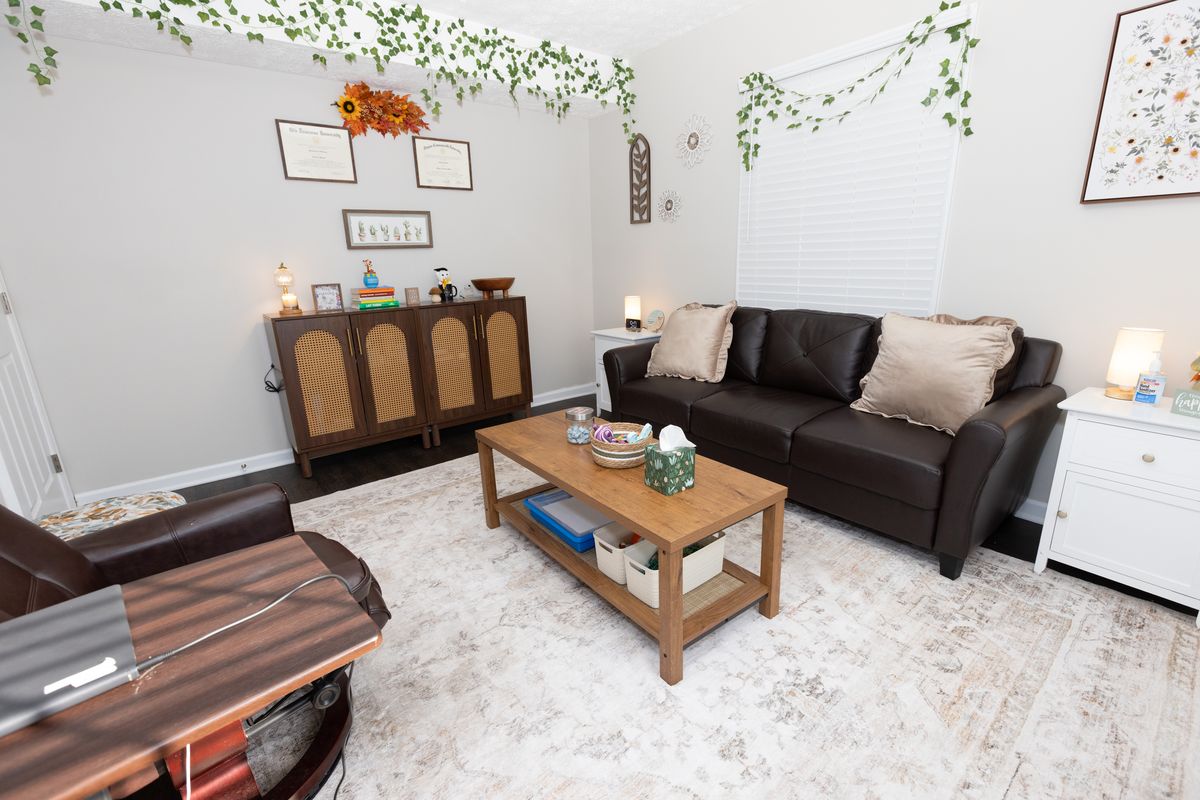
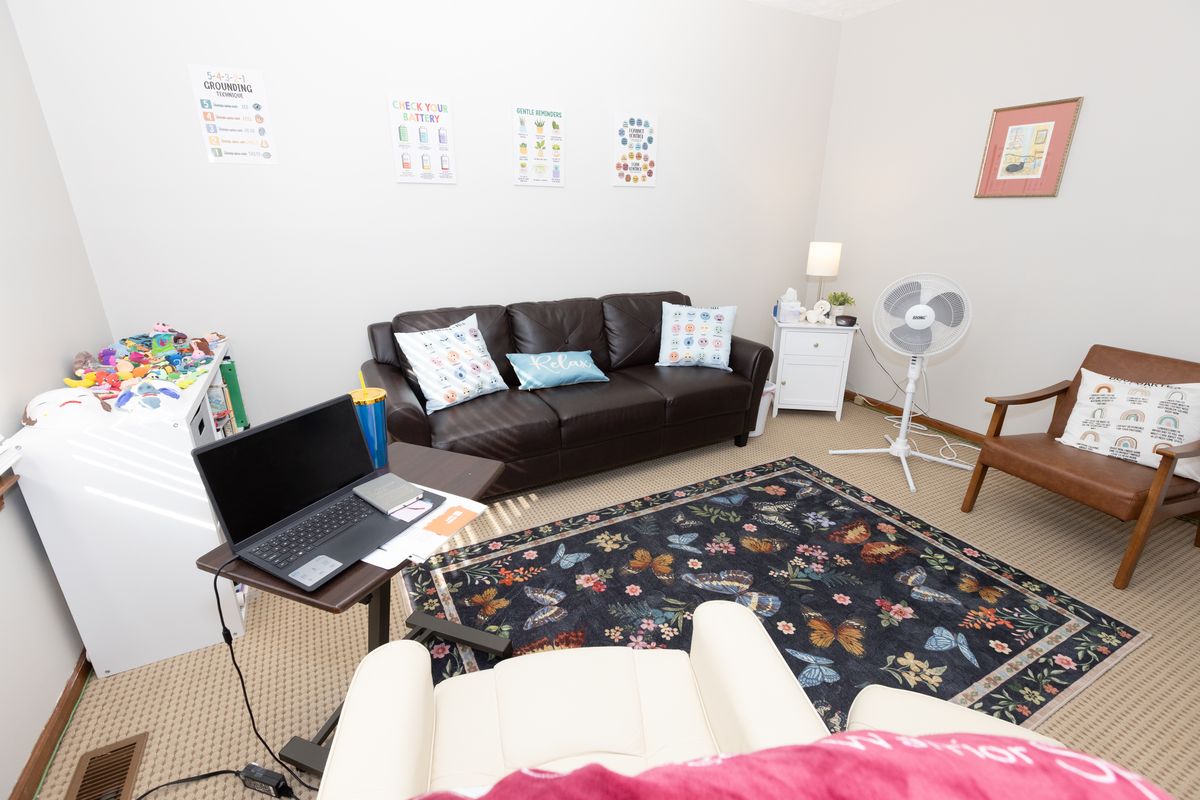
It is also our most child-ready space: alongside the standard therapy rooms there is a dedicated play therapy room, which matters more than it sounds like it should when a six-year-old is deciding whether this is a place they want to come back to.
Care available
Services vary by clinician and may include support for anxiety, depression, trauma, grief, emotional regulation, relationships, and life transitions, along with CBT, EFIT, art therapy, or play therapy.
Find a therapist who fits
Browse therapists connected with this location, or use our matching form so the intake team can narrow the options.
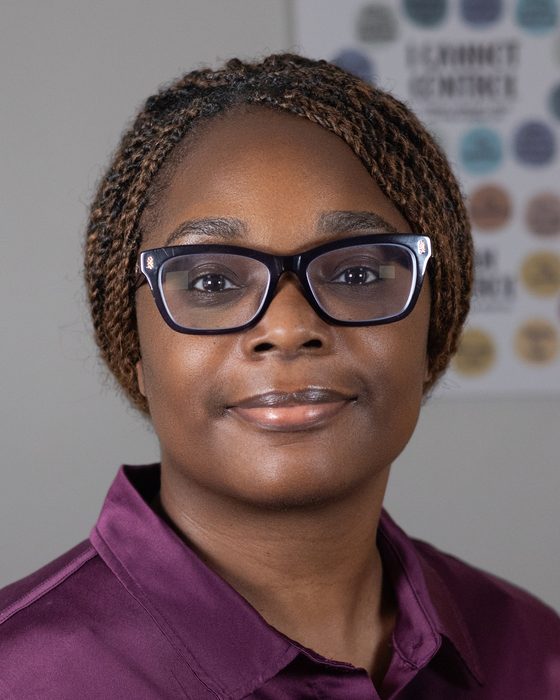
Cynthia brings more than two decades of military experience into a counseling career grounded in structure, compassion, accountability, and hope. She believes people can move through difficult chapters and create meaningful change, and she is energized by seeing clients gain confidence, strengthen relationships, and recognize progress that once felt out of reach.
Cynthia earned a Bachelor of Science in Psychology from the University of Maryland Global Campus and a Master of Science in Marriage, Couple, and Family Counseling from Walden University. Her counseling experience includes work with youth, teenagers, adults, and families navigating emotional challenges, transitions, relationship concerns, and personal growth.
Her focus on marriage, couple, and family counseling is closely connected to her 25 years in the Marine Corps, where she achieved the rank of Captain and served as a company commander.
In the Marines, Cynthia saw firsthand what allows a unit to function well: shared goals, open communication, mutual support, clear roles, and the ability to work through disagreement without losing sight of the larger mission. She also experienced the opposite, including units where cohesion broke down, communication became aggressive, and people operated as though every person were on their own. Cynthia sees many of the same dynamics within couples and families, only on a smaller scale. That experience helped draw her toward family-systems work, where the relationship itself becomes the focus. Rather than asking only what each person is doing wrong, she looks at what is happening within the unit, where communication or connection has broken down, and what shared goals can help the family or partnership move forward together.
Her approach is collaborative, strengths-based, and evidence-informed. Cynthia works to understand what a client wants to change, identify resources and strengths that may already be present, and build practical steps toward greater self-awareness, balance, and well-being. She believes therapy should be a safe and nonjudgmental space where clients can speak openly without feeling reduced to their hardest moments.
Cynthia is especially encouraged by the moments when clients and families begin to see evidence that change is actually happening. “You brought my child back,” were among the most validating words Cynthia heard from the parent of a client she supported through therapy at Seasons. For Cynthia, moments like that reinforce why she entered the counseling profession and why she describes herself as someone who loves happy endings.
She understands that progress does not always happen quickly or in a straight line. Her role is to stay present, help clients recognize what is working, and continue building toward the relationships, routines, and sense of stability they want for themselves.
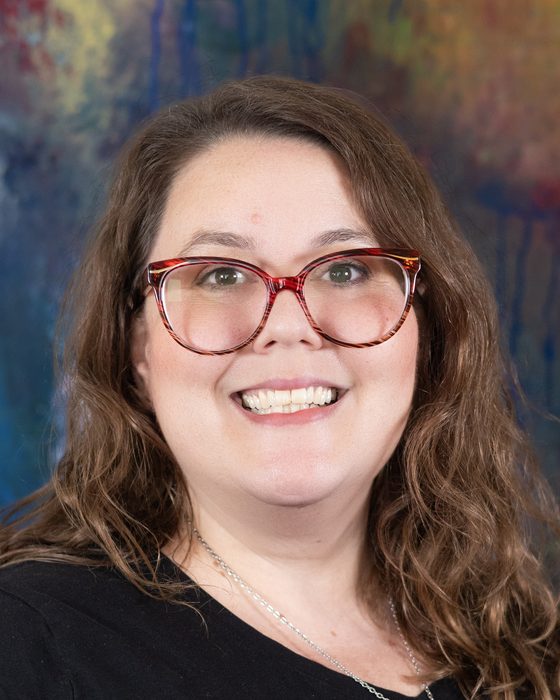
Dottie knows that sometimes talking is not the best way in. Her background in both counseling and the arts gives clients other ways to get at an experience when the words are not coming. She wants therapy to feel safe enough for people to explore their story without having to force it into one particular form.
Dottie holds a Master’s degree in Clinical Mental Health Counseling with a focus in Expressive Arts Therapy from Lesley University, an MFA from Virginia Commonwealth University, and a Bachelor’s degree in Theatre from the University of Virginia’s College at Wise. Before entering mental health care, she spent roughly a decade in arts education. She is currently working toward credentialing as a Registered Expressive Arts Therapist.
Dottie works with children, adolescents, and adults, including people dealing with trauma, family or community stress, and the effects of sexual assault. Depending on the client, therapy may look like traditional conversation, CBT, play-based techniques, expressive arts, or some combination of those things.
For Dottie, creative work is not about being artistic or making something “good.” It is another language. Art, movement, storytelling, imagery, and other expressive approaches can sometimes reach something a client is feeling or remembering before they are ready to explain it out loud.
Dottie’s graduate focus is Expressive Arts Therapy, which can draw from many creative forms rather than visual art alone. Whatever form the work takes, the goal is the same: to amplify clients’ voices and empower them to have more say in what healing looks like for them.
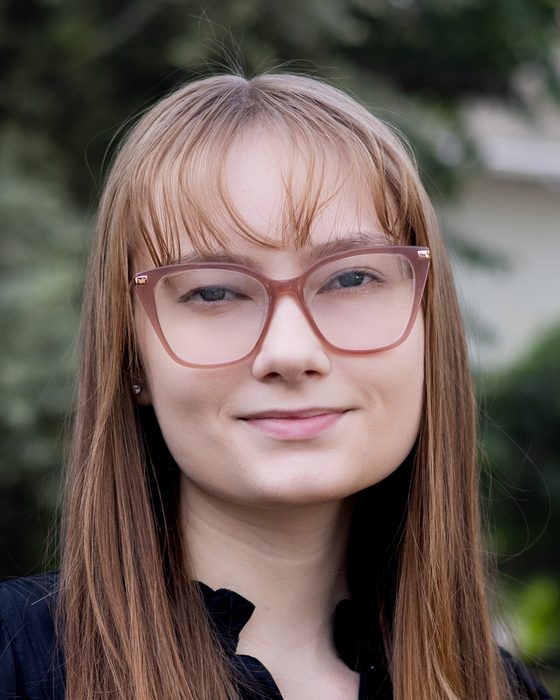
Madeline does not see herself as the expert on someone else’s life. The client knows their life better than she ever could. Her role is more like a guide: help make sense of what is happening, notice patterns, and keep the work pointed toward what actually matters to the client.
Madeline earned both her Bachelor of Social Work and Master of Social Work from Virginia Commonwealth University, completing her graduate degree in 2025. Her training included work with adolescents in an alternative education setting, where she saw how family stress, peer relationships, behavior, attendance, and broader life circumstances can all affect a young person’s ability to function and succeed.
She also has experience working with adults with complex mental health needs, including facilitating group therapy for adults with mood, personality, and schizophrenia-spectrum disorders. These experiences have given her an appreciation for how differently mental health concerns can show up across stages of life and the importance of meeting each client where they are.
Madeline especially enjoys working with teens, young adults, women, and girls dealing with trauma, depression, anxiety, ADHD, and autism spectrum disorder. Her style is laid-back, thoughtful, patient, and intentional. She is comfortable with a little silence and values taking the time to listen, reflect, and respond with intention.
Madeline’s modalities include Acceptance and Commitment Therapy (ACT) and Cognitive Behavioral Therapy (CBT). Sometimes the work is learning that a difficult thought or feeling does not have to disappear before you can take the next step. From there, she helps clients look at what matters to them, what their mind is telling them, and what action would move them closer to the life they want.
For someone nervous about starting therapy, Madeline wants them to know that making the appointment already counts for something. Therapy is a partnership, but the client is the one doing the work and building the change. She thinks clients deserve credit for that.
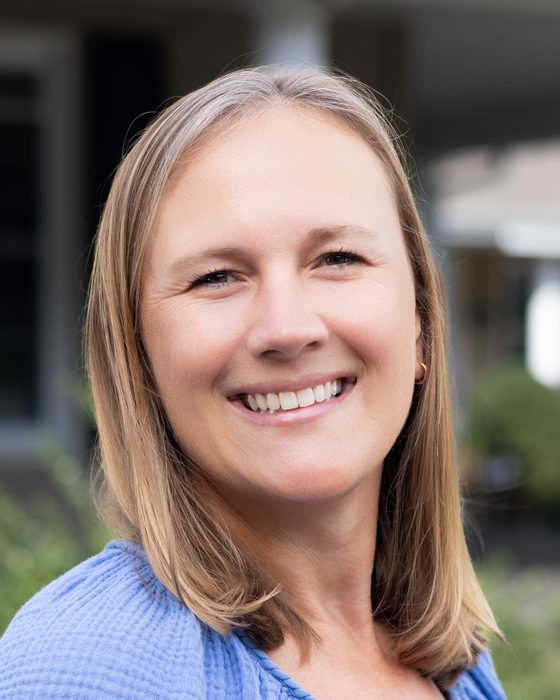
Robyn sees therapy as a partnership, but the client keeps the steering wheel. She can help read the map, notice the roadblocks, and offer tools, but the destination still belongs to the person sitting across from her.
Robyn earned both her Bachelor’s degree in Psychology with a minor in Sociology and her Master’s degree in Clinical Mental Health Counseling from the University of Lynchburg. Her professional experience includes children, teens, and adults in community, school-based, intensive in-home, supervisory, and outpatient settings.
Robyn especially enjoys working with elementary-age children using play-based techniques, along with emerging adults and young adults figuring out identity, relationships, anxiety, depression, parenthood, priorities, and what adulthood is actually supposed to look like. Her approach changes with the age and needs of the person in front of her.
Robyn is highly client-centered. Depending on the person, she may use motivational interviewing, CBT, play-based interventions, or attachment-informed work. She is especially interested in the things people learned to do to feel safe. A pattern may have made perfect sense at one point in life and still become something that gets in the way later.
Clients have told Robyn that therapy with her felt easier and more comfortable than they expected. That matters to her, especially when someone has had a bad experience with counseling before. She wants people to leave feeling heard and supported, not pushed faster than they were ready to go.
Robyn does not think success means reaching some perfect finish line. It can be understanding yourself better, knowing what tends to get you stuck, responding differently when it happens, and knowing therapy is still there if life changes and you need it again.
Browse the Locust Grove roster in the directory →
Plan your first visit
Finding us and parking
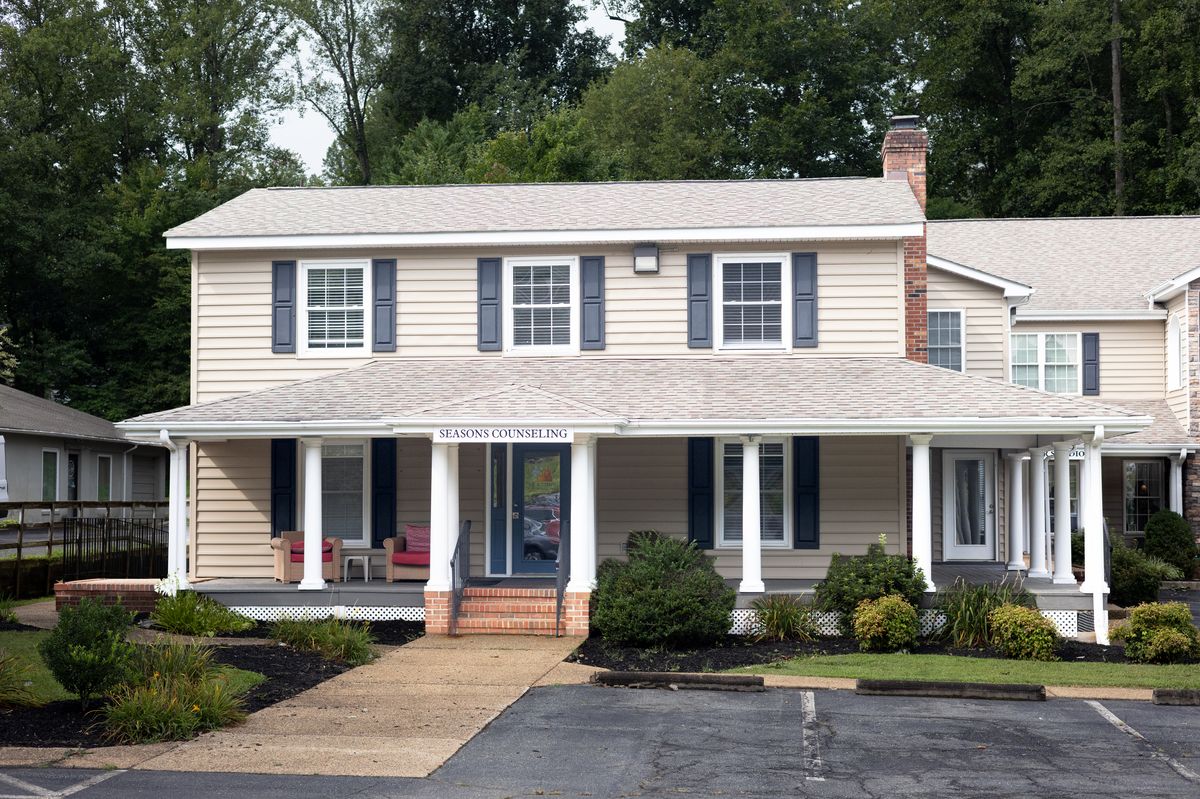
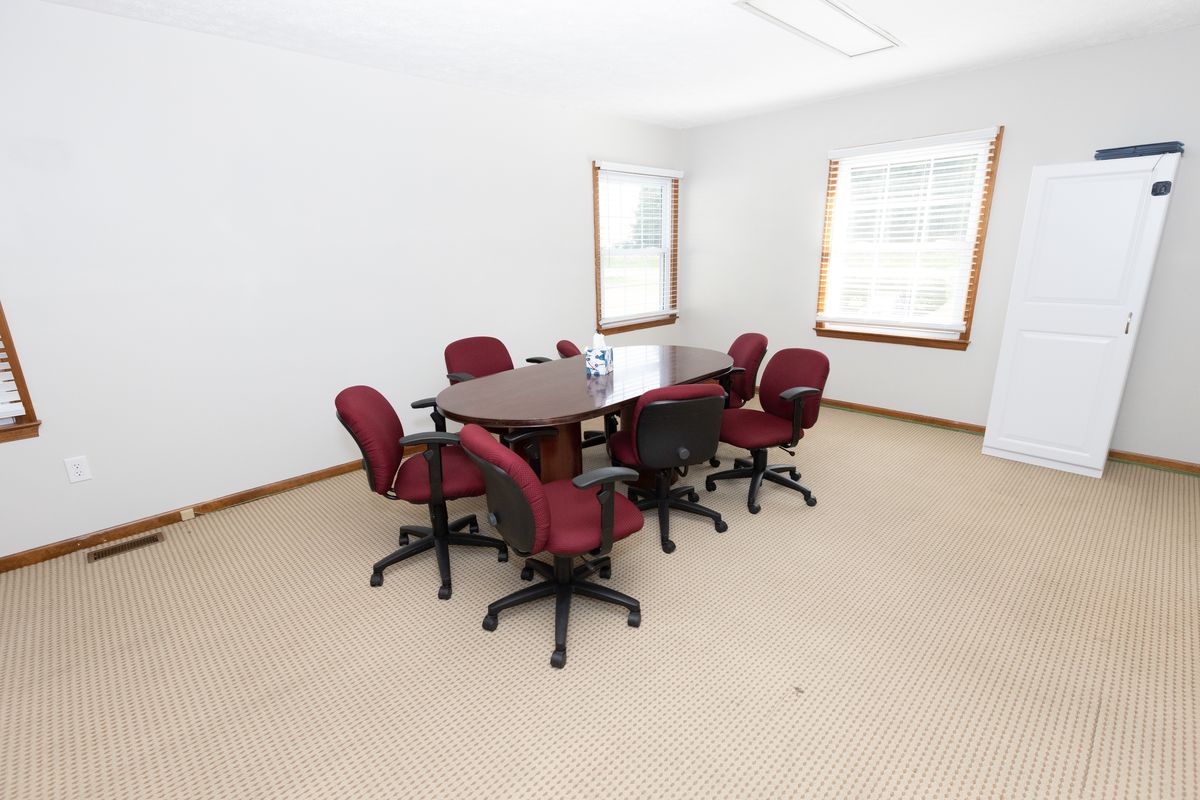
The office is at 4258 Germanna Highway, Suite A, with ample and accessible parking on site. First visits include paperwork, so give yourself a few extra minutes.
Areas we serve from Locust Grove
This office serves Locust Grove and the surrounding Orange County communities, including Lake of the Woods, Orange, Unionville, Mine Run, Wilderness, Spotsylvania, Fredericksburg, and Rhoadesville. Clients anywhere in Virginia can also be seen online.
Insurance and fees
Seasons works with multiple insurance plans and offers self-pay options. Coverage depends on the plan, clinician, and service. Contact the intake team so benefits and fit can be reviewed. Insurance & fees →
Locust Grove office
- Address4258 Germanna Highway, Suite A
Locust Grove, VA 22508 - Phone540-227-0505
- HoursWeekday daytime sessions by appointment
- ParkingAccessible parking on site
Get matched
Tell us what is going on and the intake team will review fit and availability at our Locust Grove office.
Get Matched with a TherapistOr call 540-227-0505 and our intake team will help you figure out the right fit.
Where you can be seen
Also on this site
You do not have to figure everything out before asking for help.
Tell us what you need, and we will help you take the next step.