
Meet the Seasons team
The relationship between a client and therapist matters. Our directory helps you learn how each clinician works, whom they serve, and what they want clients to feel before the first session.
Filter by location to see the clinicians connected with each office. Every Seasons therapist can also be reached through the matching form.

Alana believes people need someone who can really witness what they are going through. Her style is warm, reflective, and person-centered. She is not there to hand clients the answer. She would rather help them slow down, notice what keeps showing up, and get to the “aha” moment in their own way.
Alana earned a Bachelor of Science in Psychology with a minor in Religious Studies from Virginia Commonwealth University and later completed her Master’s in Clinical Mental Health Counseling at VCU. Before graduate school, she worked in an inpatient psychiatric setting with adolescents, an experience that gave her direct exposure to the complexity of mental health concerns before she entered the counseling profession.
Alana enjoys working across age groups and is especially drawn to grief and loss, including grief work with older adults. She also works with anxiety, depression, identity, life transitions, and adults who feel pulled in too many directions at once. Family, relationships, culture, and the larger systems around a person are often part of the story too.
Alana does not expect one approach to fit everyone. Depending on the client, she may pull from person-centered, strengths-based, systems, narrative, self-compassion, or Acceptance and Commitment Therapy work. She sees therapy as gradual. Trust comes first, and from there clients can look more honestly at what hurts, what they already have going for them, and what they want to change.
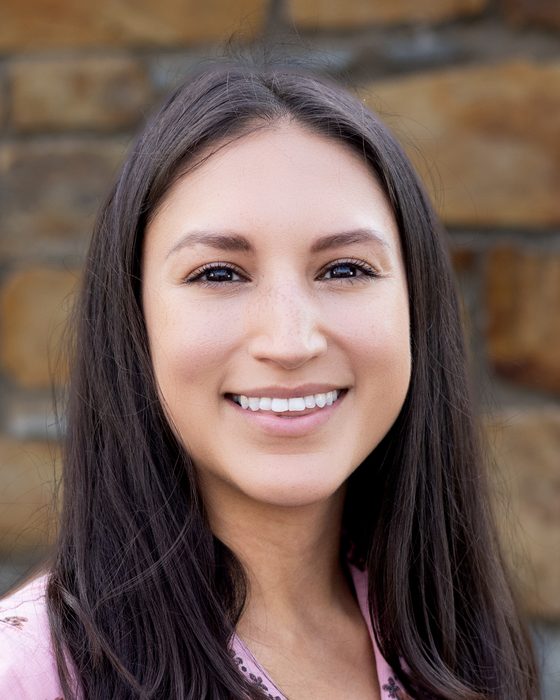
Brittany is warm, relatable, and engaged. She wants clients to feel heard and believed, while also helping them better understand themselves and create meaningful change outside the therapy room. She pays attention not only to what happened that week, but also to the patterns beneath it; what gets avoided, repeated, or carried into relationships. Using curiosity and honest reflection, Brittany helps clients explore these patterns without judgment. She also makes room for humor when it fits, because meaningful therapy does not have to feel serious every minute. Once trust is established, she is not afraid to offer a gentle, helpful push when clients feel stuck.
Brittany earned a Bachelor of Science in Neuroscience from the University of Nevada, Reno and a Master of Social Work from George Mason University. Before becoming a therapist, she worked at Fort Belvoir’s Traumatic Brain Injury Clinic with active-duty service members as part of a multidisciplinary treatment team. That experience shaped her holistic view of care and reinforced the importance of looking at the whole person, including mental health, relationships, physical well-being, sleep, routines, and environment.
Her graduate training included victim advocacy through the U.S. Attorney’s Office in Washington, D.C., along with work in a court-mandated batterer intervention program. These roles gave Brittany a broader understanding of the people and patterns surrounding relationship violence, including the ways trauma and unhealthy dynamics can become cyclical. They also reinforced her belief that compassion and accountability can coexist: understanding someone as a whole person does not require minimizing harm. Brittany meets clients as human beings – not as the worst thing that has happened to them, a choice they regret, or the guilt they carry.
Brittany especially enjoys working with emerging adults and women navigating motherhood, relationship and interpersonal challenges, difficult family dynamics, identity, and major life transitions. Her work is trauma- and attachment-informed, recognizing that present-day coping and relationship patterns often make sense in the context of what someone has lived through and the relationships that shaped them. Common areas of focus include anxiety, depression, trauma and PTSD, social anxiety, family-of-origin concerns, boundaries, and recurring interpersonal patterns. She also welcomes active-duty service members across all career stages, as well as veterans navigating military-related experiences or the transition to civilian life.
Brittany’s approach is collaborative and respects each person’s autonomy and readiness for change. When someone knows what they want to do but cannot seem to get started, she helps identify a first step small enough to actually happen. This may include between-session practice, strengthening communication or coping skills, or working through a difficult task together during the session. Her goal is for therapy to feel human and supportive while still helping clients move toward the life and relationships they want.
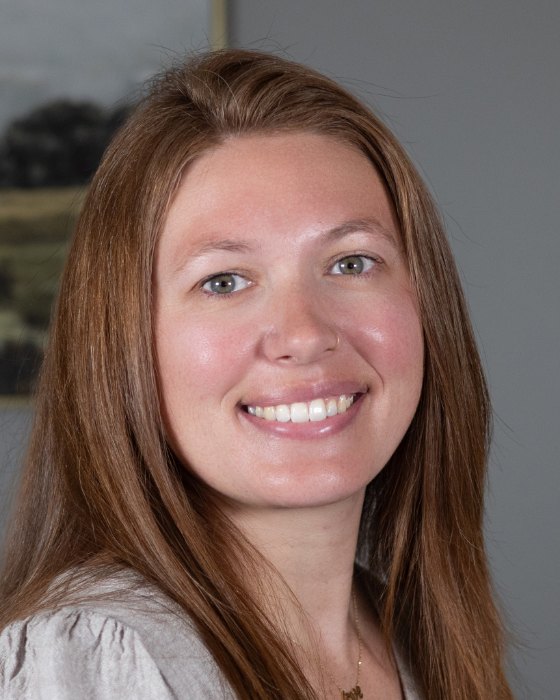
Brittany understands that wanting change and feeling ready for it are not always the same thing. Her goal is to create a nonjudgmental space where clients can begin exactly where they are, feel supported through the uncertainty, and recognize that they are capable of moving forward.
Brittany earned her Bachelor of Social Work with a minor in psychology from Virginia Commonwealth University and completed Liberty University’s accelerated Master of Social Work program, where she graduated Magna Cum Laude. Her graduate training at Chrysalis Counseling Centers included therapeutic day treatment with middle school students, where she helped adolescents build coping skills and navigate challenges throughout the school day.
Her interest in helping others began long before her clinical training. Even as a child, Brittany was drawn to people who felt left out or needed someone in their corner. That instinct eventually led her from the medical field toward mental health care and continues to shape the warmth, fairness, and protectiveness she brings to her work.
Brittany’s approach is person-centered and strength-based. She believes each person’s journey is different, so therapy should be shaped around the individual rather than a fixed formula. When useful, she incorporates CBT-informed strategies to help clients notice unhelpful thought patterns, reframe how they see themselves, and build on strengths they may be overlooking.
Brittany brings experience supporting people through trauma, grief, parenting challenges, and major life transitions. As a mother, she also understands how much resilience can be required to care for a family while pursuing change of your own. She believes difficult seasons are real, but they are not permanent.
Clients can expect Brittany to meet them where they are without judgment. She wants therapy to feel like a place where people can be honest about what is hard, feel more secure taking the next step, and know they do not have to make that change alone.
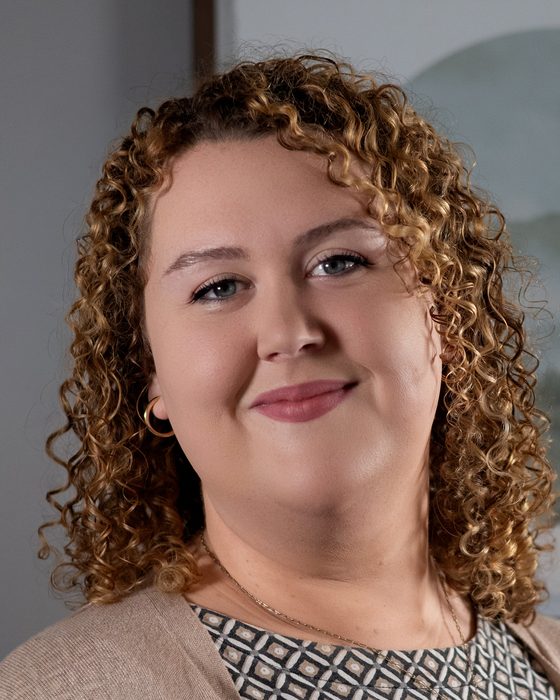
Carly knew she wanted to become a counselor from a young age. In her early teens, she experienced firsthand how meaningful it can be to have a space where you can speak openly, feel heard, and be accepted without judgment. That experience shaped the kind of therapist she strives to be today.
Carly believes therapy should feel safe, honest, collaborative, and practical. Her goal is not simply to help clients talk about what is difficult, but to help them understand themselves, recognize patterns, and develop tools they can carry into their everyday lives.
Carly holds a Bachelor of Science in Psychology from Longwood University and a Master of Arts in Clinical Mental Health Counseling from Liberty University. She has experience working with children, adolescents, adults, couples, and families, with a particular focus on trauma-informed care.
Carly takes a person-centered and collaborative approach while incorporating structure and evidence-based interventions when appropriate. She believes clients deserve to understand why they are doing the work in therapy, not simply be given an exercise or coping skill without context. Carly uses an integrative approach, drawing from Cognitive Behavioral Therapy (CBT), Dialectical Behavior Therapy (DBT), play therapy techniques, attachment-based interventions, and other evidence-based methods to tailor treatment to each client’s unique needs and goals.
Early in the therapeutic process, Carly may use tools such as attachment-focused interviews and genograms to help clients explore the experiences and relationships that have affected them. Genograms provide a visual way to identify patterns that may span generations, including relationship dynamics, mental health concerns, trauma, and substance use. With younger clients, Carly adapts this process into developmentally appropriate activities that make these concepts easier to understand and explore.
Carly particularly enjoys working with people navigating trauma and trauma recovery; children and adolescents exploring emotions, identity, and relationships; families experiencing complicated or stressful dynamics; women navigating the challenges and transitions of midlife; older adults experiencing loneliness, grief, loss, or significant life changes; and individuals working to better understand themselves and their relationships.
Clients often experience Carly as warm, open, authentic, and approachable. She believes meaningful therapy requires both empathy and honesty. As trust develops, she is comfortable gently challenging clients when doing so can help them move forward. Carly views herself as a partner in the therapeutic process. She does not believe there is a one-size-fits-all approach to healing, and she works alongside each client to understand what is happening beneath the surface and determine what will be most helpful.
For Carly, therapy is a process that unfolds over time. First, there is space to breathe: an opportunity to slow down, speak openly, and feel genuinely heard without judgment. Then comes understanding, as Carly and her clients explore the emotions, experiences, relationships, triggers, and patterns that may be influencing how they think, feel, and respond. Finally comes change, when clients begin putting that insight into practice by developing healthier coping strategies, strengthening boundaries, improving communication, and making intentional changes in their everyday lives.
Carly believes therapy is not about becoming a completely different person. It is about gaining a better understanding of yourself, healing what needs attention, and building the skills and confidence to move forward in a way that feels authentic to you.
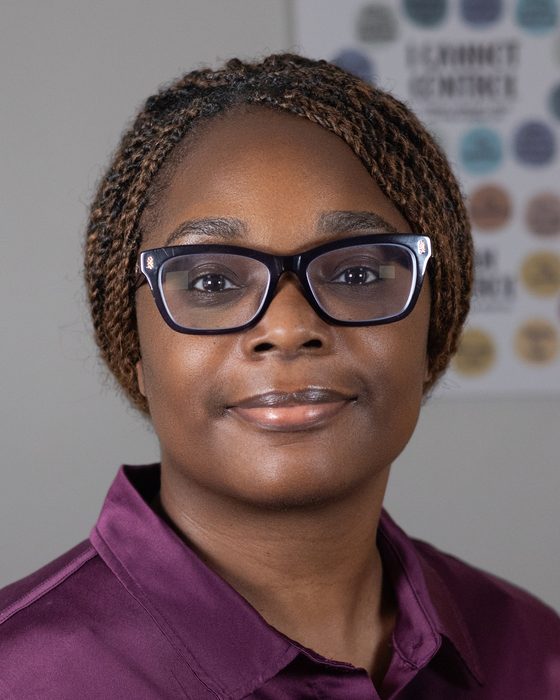
Cynthia brings more than two decades of military experience into a counseling career grounded in structure, compassion, accountability, and hope. She believes people can move through difficult chapters and create meaningful change, and she is energized by seeing clients gain confidence, strengthen relationships, and recognize progress that once felt out of reach.
Cynthia earned a Bachelor of Science in Psychology from the University of Maryland Global Campus and a Master of Science in Marriage, Couple, and Family Counseling from Walden University. Her counseling experience includes work with youth, teenagers, adults, and families navigating emotional challenges, transitions, relationship concerns, and personal growth.
Her focus on marriage, couple, and family counseling is closely connected to her 25 years in the Marine Corps, where she achieved the rank of Captain and served as a company commander.
In the Marines, Cynthia saw firsthand what allows a unit to function well: shared goals, open communication, mutual support, clear roles, and the ability to work through disagreement without losing sight of the larger mission. She also experienced the opposite, including units where cohesion broke down, communication became aggressive, and people operated as though every person were on their own. Cynthia sees many of the same dynamics within couples and families, only on a smaller scale. That experience helped draw her toward family-systems work, where the relationship itself becomes the focus. Rather than asking only what each person is doing wrong, she looks at what is happening within the unit, where communication or connection has broken down, and what shared goals can help the family or partnership move forward together.
Her approach is collaborative, strengths-based, and evidence-informed. Cynthia works to understand what a client wants to change, identify resources and strengths that may already be present, and build practical steps toward greater self-awareness, balance, and well-being. She believes therapy should be a safe and nonjudgmental space where clients can speak openly without feeling reduced to their hardest moments.
Cynthia is especially encouraged by the moments when clients and families begin to see evidence that change is actually happening. “You brought my child back,” were among the most validating words Cynthia heard from the parent of a client she supported through therapy at Seasons. For Cynthia, moments like that reinforce why she entered the counseling profession and why she describes herself as someone who loves happy endings.
She understands that progress does not always happen quickly or in a straight line. Her role is to stay present, help clients recognize what is working, and continue building toward the relationships, routines, and sense of stability they want for themselves.
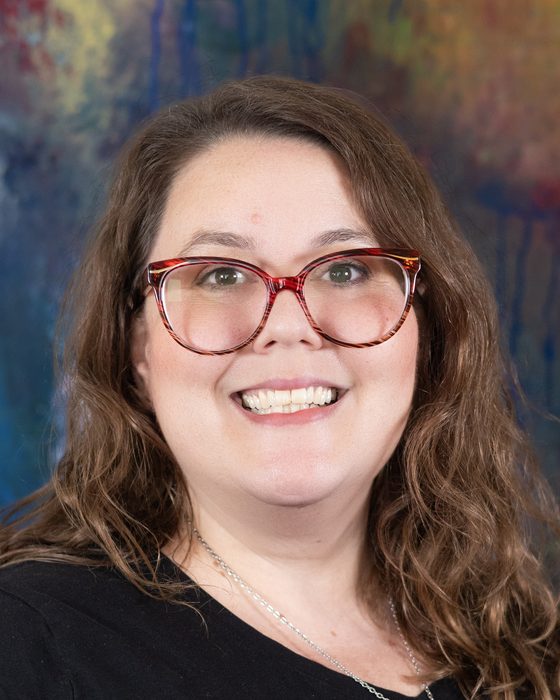
Dottie knows that sometimes talking is not the best way in. Her background in both counseling and the arts gives clients other ways to get at an experience when the words are not coming. She wants therapy to feel safe enough for people to explore their story without having to force it into one particular form.
Dottie holds a Master’s degree in Clinical Mental Health Counseling with a focus in Expressive Arts Therapy from Lesley University, an MFA from Virginia Commonwealth University, and a Bachelor’s degree in Theatre from the University of Virginia’s College at Wise. Before entering mental health care, she spent roughly a decade in arts education. She is currently working toward credentialing as a Registered Expressive Arts Therapist.
Dottie works with children, adolescents, and adults, including people dealing with trauma, family or community stress, and the effects of sexual assault. Depending on the client, therapy may look like traditional conversation, CBT, play-based techniques, expressive arts, or some combination of those things.
For Dottie, creative work is not about being artistic or making something “good.” It is another language. Art, movement, storytelling, imagery, and other expressive approaches can sometimes reach something a client is feeling or remembering before they are ready to explain it out loud.
Dottie’s graduate focus is Expressive Arts Therapy, which can draw from many creative forms rather than visual art alone. Whatever form the work takes, the goal is the same: to amplify clients’ voices and empower them to have more say in what healing looks like for them.

Ella starts from a simple idea: people make more sense when you understand the suffering underneath the behavior. She believes people are inherently worthy, even when they are struggling or showing up in ways they do not feel proud of. Her job is to create enough calm and safety for clients to be honest, then challenge them when that challenge can actually help.
Ella earned a Bachelor of Science in Psychology and a Master of Arts in Clinical Mental Health Counseling from Roosevelt University. Her clinical experience has included work with adults in private practice and a broad range of concerns including trauma, anxiety, depression, ADHD, self-image, relationships, and questions of purpose and belonging.
Trauma is a particular area of interest for Ella, including both acute trauma and more complicated relational trauma rooted in childhood or adult relationships. She especially enjoys working with teens, emerging adults, and young adults who are trying to understand themselves, get through a difficult transition, or figure out what they actually want their lives to look and feel like.
Ella uses CBT, Acceptance and Commitment Therapy (ACT), mindfulness, and trauma-informed approaches, but she tends to explain the work in plain language. Often that means helping a client zoom out from the immediate problem, reconnect with what matters to them, and ask whether their current choices are taking them toward or away from the life they want. Clients have described Ella as easy to talk to and calming to be around.
Ella believes therapy can hold serious work and still have room for humor. Progress does not mean hard feelings disappear. Sometimes it means learning that you can feel something difficult, understand what it is telling you, and get through it without losing yourself.
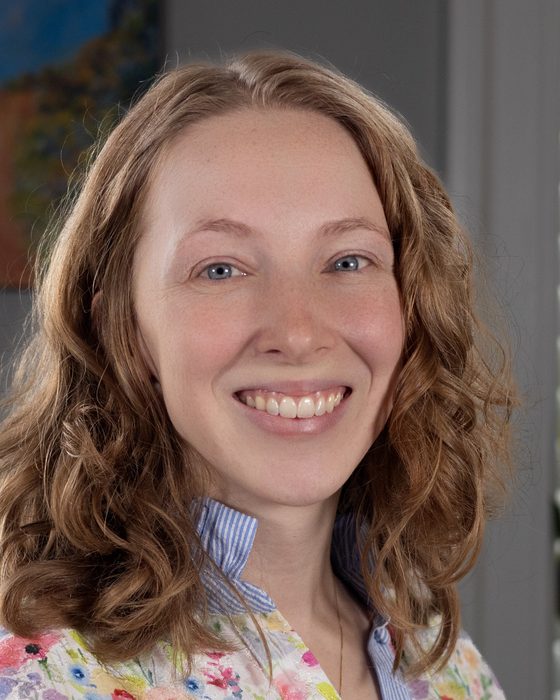
Hanna is a Licensed Professional Counselor providing a wealth of experience working with diverse clients; including children, teens, adults, and families. Her educational background includes a Master of Science in Clinical Mental Health Counseling from Longwood University and a Bachelor of Arts in Psychology from Mary Baldwin University. Her early professional experience included work with domestic violence organizations, supporting survivors of domestic violence which remains an important area of interest in her clinical work.
Hanna’s deep passion lies in empowering her clients to set and accomplish their goals, and she is committed to providing a supportive and empathetic environment for their growth and well-being. She employs a diverse set of counseling approaches that are customized to address the individual and distinct needs of each client.
Hanna is grateful for the clients who entrust her with their stories and seek therapy to aid in their lives. Hanna appreciates the opportunity to be part of a chapter in the lives of the people she treats. This is key to her mindset in aiding the clients who come to her for counseling. Hanna utilizes several clinical strategies including Cognitive Behavioral Therapy (CBT) or Emotionally Focused Individual Therapy (EFIT) or Attachment Based Therapy; among others.
Hanna often finds it helpful to provide perspective and balance between the cognitive processes and the emotional feelings of her clients. Some people live almost entirely in their heads and lose track of what their emotions or bodies are telling them. Others feel so flooded by emotions that it is hard to step back and think. Hanna helps clients get those parts of themselves talking to each other again. Hanna has found it is often useful for her clients to become more grounded if one of these areas is dominating the other.
Hanna especially enjoys working with adults, trauma survivors, and people in major life transitions, including new and expecting parents. Clients may come in frozen by anxiety, weighed down by depression, stuck after a big change, or ready to look at something from the past that is still showing up in the present.
Hanna pays attention to small wins. Therapy is not only a long term outcome or major breakthroughs; it is often about incremental successes building a foundation of victories. Speaking up in a relationship, doing something independently for the first time, or reacting differently to an old trigger all count. Clients have described Hanna as deeply empathetic and as someone who understands them.

Jene’ believes there is usually a reason people respond the way they do. A diagnosis, behavior, or difficult chapter may be part of someone’s story, but it does not explain the whole person. Her style is warm, conversational, and honest. She gives clients room to tell their stories in their own way while remaining active in the work, asking thoughtful questions, sharing what she notices, and helping clients put words to experiences that may be difficult to name.
Jene’ earned a Bachelor of Science in Psychology from Central Michigan University and a Master of Arts in Clinical Mental Health Counseling from Adams State University. Her professional background includes work in emergency shelters, crisis services, residential care, and outpatient substance use disorder programs. At Seasons Counseling, she also serves as a Clinical Supervisor for Residents in Counseling.
Jene’ works with children, adolescents, and adults. She helps clients look beneath the surface to understand how past experiences, relationships, emotions, and beliefs may be shaping what is happening now. She may help someone recognize a pattern or connection they have not seen before, or gently question conclusions shaped by shame, fear, or self-criticism. Clients do not need to arrive with everything figured out or feel that they have to hold everything together in the therapy room.
Her approach is person-centered, relational, attachment-informed, and trauma-informed. She draws from cognitive behavioral therapy (CBT) and, when useful, strategies from dialectical behavior therapy (DBT) and acceptance and commitment therapy (ACT). Jene’ does not view coping patterns as character flaws. Many developed for a reason and may once have helped someone survive, feel safer, or stay connected. Understanding where those responses came from creates an opportunity to decide what is still serving them, what may now be causing pain, and what they would like to do differently.

Julia is direct, analytical, and comfortable asking the next question. She also cares a lot about consistency and trust. Julia believes people often have more influence over the direction of their lives than they realize, and she especially enjoys working with clients who are ready to look at themselves honestly and do something with what they learn.
Julia earned a Bachelor of Science in Psychology from George Mason University and a Master of Arts in Clinical Mental Health Counseling from Liberty University. Before entering outpatient practice, she worked with children with autism using ABA-based services and completed her clinical internship in a substance-use treatment setting. That experience reinforced for her how important consistency and clinician stability can be for clients who have difficulty trusting others.
Julia especially enjoys working with emerging adults and adults dealing with anxiety, trauma, relationships, boundaries, life direction, and expectations that no longer fit the life they want. She uses Cognitive Behavioral Therapy (CBT), cognitive restructuring, and attachment-informed trauma work to slow down automatic conclusions and ask where a reaction is coming from and whether it is still helping.
Julia is comfortable pointing out a contradiction when she sees one. If a client says something matters deeply but their choices keep taking them in the opposite direction, she may stop there and ask about it. She is not trying to tell people what to do. She wants them to separate what they can control from what they cannot, then make a clearer decision about what to do with the part that is theirs.
Clients have described Julia as “real,” reliable, stable, safe, and something of an old soul. She likes that combination. Therapy can be steady and validating without becoming vague, and supportive without avoiding the hard question.
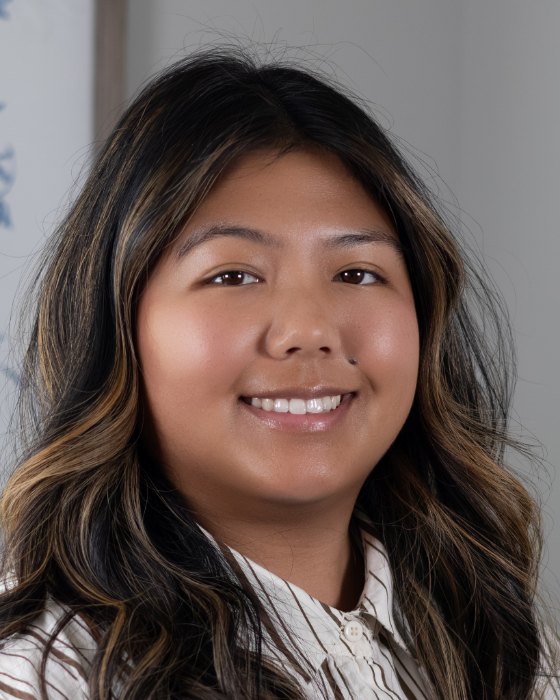
Katevonni wants clients to know they do not have to come to therapy with the right words. They do not have to perform, explain themselves perfectly, or become someone else before they are allowed to ask for support. They can just show up as they are.
Katevonni earned a Bachelor of Science in Psychology with a minor in Criminal Justice from James Madison University and a Master’s in Counselor Education for Clinical Mental Health from Virginia Tech. Her training included work with middle and high school students as well as clients in a community clinical setting, giving her experience across adolescence and adulthood.
Katevonni especially enjoys working with middle and high school clients. Sometimes talking is not the easiest way in, so she may use drawing, music, games, role play, or other creative activities to help a client communicate in a way that feels more natural. The point is not the activity itself. It is finding a way for the client to be heard.
Katevonni starts with the person, not the technique. Her work is person-centered and strengths-based, and she wants the client to keep ownership of the process. Her role is to listen closely, notice strengths that may be hard for the client to see, and help them figure out how they want to move forward.
Growing up in a Thai and Lao family also shapes the way Katevonni thinks about people and relationships. She understands that decisions are not always just individual decisions. Family expectations, cultural values, and the feeling of balancing different worlds can all matter. Katevonni wants therapy to be a place where clients do not have to leave those parts of themselves at the door.
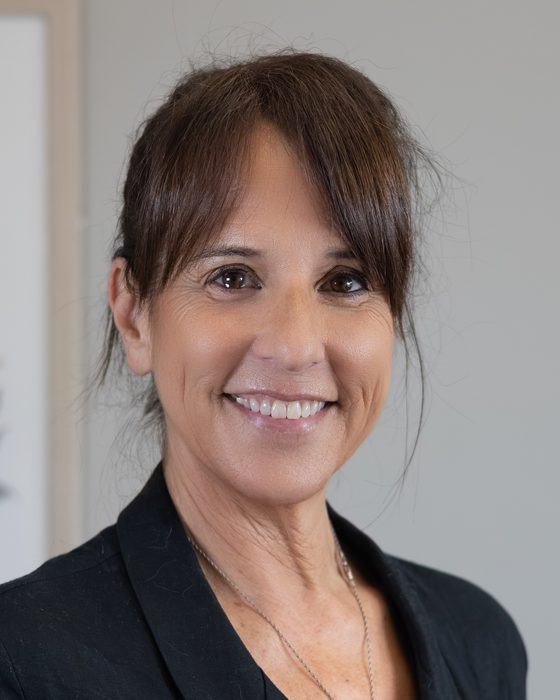
After more than 25 years as a clinician, Lila still comes back to one rule: meet people where they are. Good therapy does not start with where someone “should” be. It starts with the person who is actually sitting in front of you.
Lila earned her undergraduate degree from Goucher College and her Master of Social Work from New York University. She has worked across multiple clinical settings and brings a multidisciplinary perspective to counseling. She is also an approved supervisor in Social Work and works as an Independent Psychiatric Evaluator for the Virginia Supreme Court.
Lila does not believe every client needs the same formula. Her work is client-centered, humanistic, trauma-informed, and focused on the whole person. Depending on what someone needs, she may use mindfulness, stress-management strategies, distress-tolerance skills, or other practical tools that make a hard day, week, or season feel more manageable.
Lila works with anxiety, depression, trauma, relationship stress, major life challenges, and more serious or longstanding mental health concerns. Sometimes therapy is about understanding something more deeply. Sometimes it is about finding a way to get through the week. Lila adjusts the work to the person, their goals, and what they are actually ready to take on.
Her style is steady, practical, compassionate, and respectful of each client’s pace. After decades of sitting with people through change, Lila knows that progress does not always look dramatic. Sometimes it is tolerating a hard feeling a little longer, handling stress differently, or realizing you have more choices than you thought.

Madeline does not see herself as the expert on someone else’s life. The client knows their life better than she ever could. Her role is more like a guide: help make sense of what is happening, notice patterns, and keep the work pointed toward what actually matters to the client.
Madeline earned both her Bachelor of Social Work and Master of Social Work from Virginia Commonwealth University, completing her graduate degree in 2025. Her training included work with adolescents in an alternative education setting, where she saw how family stress, peer relationships, behavior, attendance, and broader life circumstances can all affect a young person’s ability to function and succeed.
She also has experience working with adults with complex mental health needs, including facilitating group therapy for adults with mood, personality, and schizophrenia-spectrum disorders. These experiences have given her an appreciation for how differently mental health concerns can show up across stages of life and the importance of meeting each client where they are.
Madeline especially enjoys working with teens, young adults, women, and girls dealing with trauma, depression, anxiety, ADHD, and autism spectrum disorder. Her style is laid-back, thoughtful, patient, and intentional. She is comfortable with a little silence and values taking the time to listen, reflect, and respond with intention.
Madeline’s modalities include Acceptance and Commitment Therapy (ACT) and Cognitive Behavioral Therapy (CBT). Sometimes the work is learning that a difficult thought or feeling does not have to disappear before you can take the next step. From there, she helps clients look at what matters to them, what their mind is telling them, and what action would move them closer to the life they want.
For someone nervous about starting therapy, Madeline wants them to know that making the appointment already counts for something. Therapy is a partnership, but the client is the one doing the work and building the change. She thinks clients deserve credit for that.
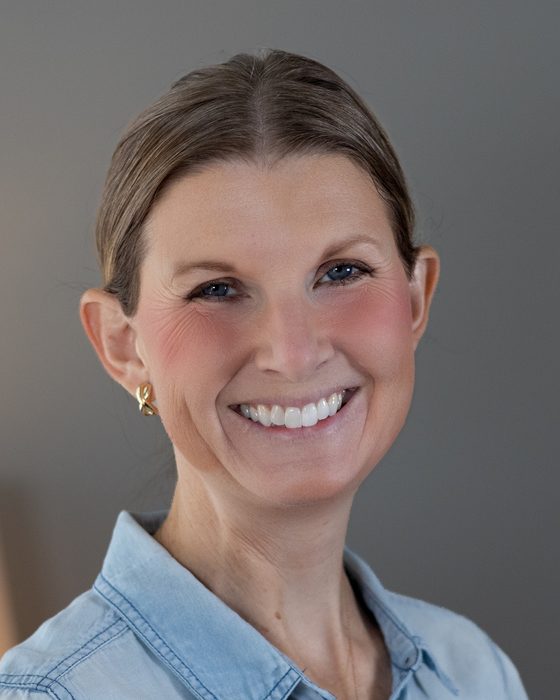
Melanie believes that everyone deserves to know what it feels like to be truly acknowledged, loved and accepted, for who they really are. This belief appears in her approach which begins with acknowledgement and creating a warm, nonjudgmental space where clients can feel fully seen. She describes therapy as a “soft place to land,” a place where clients can lower their guard, build trust, and work on what matters most to them without feeling that they have to fit into a particular mold.
Melanie’s path to counseling had a few chapters. She earned a bachelor’s degree in Communication and Sociology from Wake Forest University, a master’s degree in Sports Management from the University of Tennessee, worked in sports marketing, spent more than a decade in education, and eventually returned to Wake Forest for graduate training in Clinical Mental Health Counseling. That winding path is part of what makes her comfortable with people who are rethinking who they are or what comes next.
Melanie especially enjoys working with women in midlife, when relationships, family roles, identity, empty-nesting, or other changes can leave someone asking, “Who am I now?” She also enjoys working with children who need a safe place where the attention is really on them and where they can express things that may be hard to say anywhere else.
Melanie does not rush to techniques. She starts with the relationship. Once there is trust, she can bring in practical tools, psychoeducation, and other approaches that fit the person. She wants therapy to give clients room to be fully themselves while still helping them make choices that move something forward.
Melanie wants clients to know that growth is not a straight line. Some weeks feel like a breakthrough. Other weeks do not. Progress can include setbacks, uncertainty, and realizing something you did not see before. What matters is continuing to show up and building from one choice to the next.
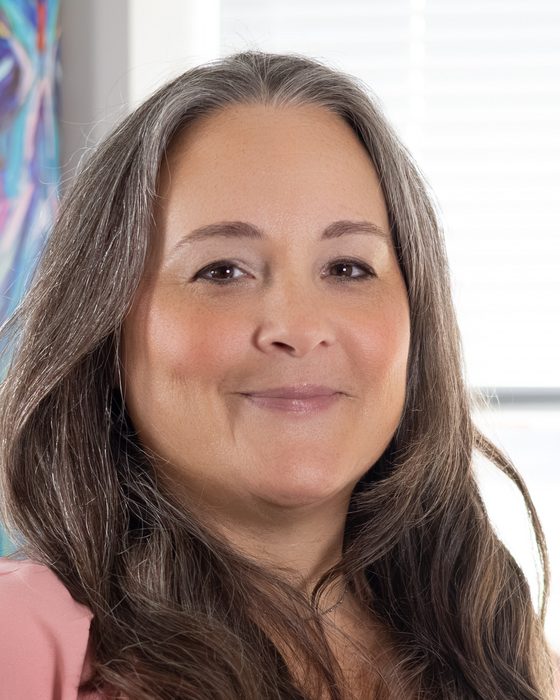
Morgan believes something simple but powerful: you already have what it takes to guide your own life.
So much of who we become starts in childhood. As children, we learn how to survive, how to stay safe, stay loved, or stay small. Without realizing it, we can carry those same patterns into adulthood long after they have stopped serving us.
Morgan’s work is about helping clients see those patterns. Her approach is direct, educational, and collaborative, with a focus on relationships, family systems, boundaries, trauma, and the patterns families can carry across generations. Together, she and her clients build insight and self-awareness and explore new ways of showing up in everyday life that meet the goals of who they are now, not who they had to be in moments past.
She creates a safe space where clients can take off the layers, put down the armor, and come home to their most authentic selves. Not just in therapy, but in every part of their lives. Morgan firmly believes the therapy room is the practice room for the outside world, something she teaches to all her clients and supervisees.
Morgan earned her degree in Human Services with a minor in Psychology from Old Dominion University and a Master’s in Counseling from Liberty University. Her career has included work in social services, community services, public schools, therapeutic day schools, intensive in-home care, clinical supervision, and services for at-risk youth and families. She has provided outpatient therapy since 2019, is an approved supervisor for Residents in Counseling, and holds the Approved Clinical Supervisor (ACS) credential from the Center for Credentialing & Education.
That same philosophy shapes Morgan’s work as a clinical supervisor. She encourages developing clinicians to stay present, trust their clinical instincts, listen for what is not being said, and ask thoughtful questions that help clients find their own answers. She teaches residents that their role is not to fix clients, but to create the conditions in which clients can build insight, practice new responses, and become more self-sufficient.

Robert is curious about why people do what they do. He likes looking underneath the obvious problem to see what past experiences, relationships, beliefs, or emotional patterns may still be shaping the present. Understanding the “why” is not the end of therapy for him, but it can make the next step a lot clearer.
Robert’s route to counseling was not exactly a straight line. He earned his Master’s degree in Clinical Mental Health Counseling from Southern New Hampshire University, but before that he studied anthropology at the University of Virginia and completed graduate work in sustainable food systems at the University of Vermont. To Robert, those fields are not as unrelated as they might sound. All of them ask you to look closely at people, environments, histories, and the forces that shape how we live.
Robert primarily enjoys working with adults and is also continuing to build experience with adolescents. Clients often come in dealing with anxiety, depression, chronic stress, relationship patterns, or simply the feeling that life is not going the way they thought it would. He often looks at attachment and trauma to understand how earlier relationships or emotional wounds may still be influencing what someone expects from themselves and other people.
Robert combines insight with practical skills such as emotional regulation, mindfulness, distress tolerance, and self-compassion. He can be empathetic and nonjudgmental without being vague. If he notices a pattern, he is willing to name it. He wants clients to feel safe enough to be honest and to know that honesty can go both ways.
For Robert, progress has to show up somewhere outside the therapy room. It might look like speaking up for a need, making room for self-care, responding differently in a relationship, letting an emotion exist without immediately trying to shut it down, or making a choice that feels more like your own.
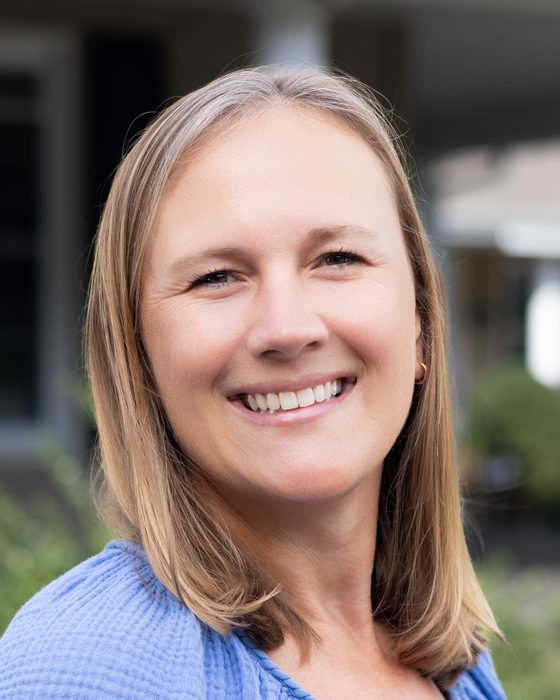
Robyn sees therapy as a partnership, but the client keeps the steering wheel. She can help read the map, notice the roadblocks, and offer tools, but the destination still belongs to the person sitting across from her.
Robyn earned both her Bachelor’s degree in Psychology with a minor in Sociology and her Master’s degree in Clinical Mental Health Counseling from the University of Lynchburg. Her professional experience includes children, teens, and adults in community, school-based, intensive in-home, supervisory, and outpatient settings.
Robyn especially enjoys working with elementary-age children using play-based techniques, along with emerging adults and young adults figuring out identity, relationships, anxiety, depression, parenthood, priorities, and what adulthood is actually supposed to look like. Her approach changes with the age and needs of the person in front of her.
Robyn is highly client-centered. Depending on the person, she may use motivational interviewing, CBT, play-based interventions, or attachment-informed work. She is especially interested in the things people learned to do to feel safe. A pattern may have made perfect sense at one point in life and still become something that gets in the way later.
Clients have told Robyn that therapy with her felt easier and more comfortable than they expected. That matters to her, especially when someone has had a bad experience with counseling before. She wants people to leave feeling heard and supported, not pushed faster than they were ready to go.
Robyn does not think success means reaching some perfect finish line. It can be understanding yourself better, knowing what tends to get you stuck, responding differently when it happens, and knowing therapy is still there if life changes and you need it again.
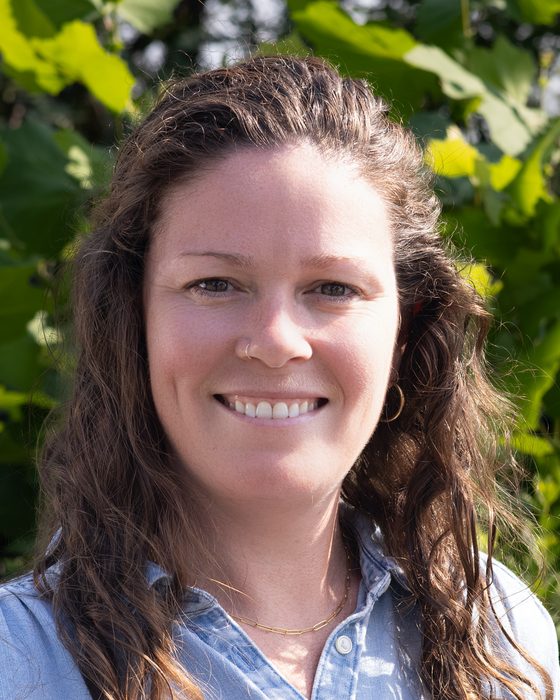
Sarah does not see therapy as fixing a broken person. She sees it as helping people reconnect with themselves, understand what is happening, and remember that change is possible. Reaching out for therapy can take courage, and she wants clients to have a place where they can talk honestly without feeling judged.
Sarah earned her Master of Social Work from Virginia Commonwealth University after a long career in education. She previously taught middle school, high school, and college students. Over time, she realized that some of the most meaningful moments in teaching were not about curriculum at all. They were the conversations in which a student needed a trusted adult to listen, help them make sense of something difficult, or simply be present. That experience ultimately helped lead her into clinical social work.
Sarah likes the variety of a generalist practice and works across ages and concerns. She looks at the whole picture: thoughts and emotions, what is happening in the body, relationships, support systems, attachment, coping patterns, and the experiences that shaped how someone learned to respond to stress. In clinical terms, that is a biopsychosocial approach. In plain language, it means she does not reduce a person to one symptom.
With children and teens, Sarah is especially careful to make therapy feel like it belongs to them too. She believes that young clients are more likely to engage when they understand that the room is a space for them.
Sarah sees the client as the expert on their own experience. Her job is not to tell someone what they should do. It is to offer empathy, perspective, support, and useful tools while the client figures out what works in real life. One of Sarah’s goals is for clients to eventually not need her.
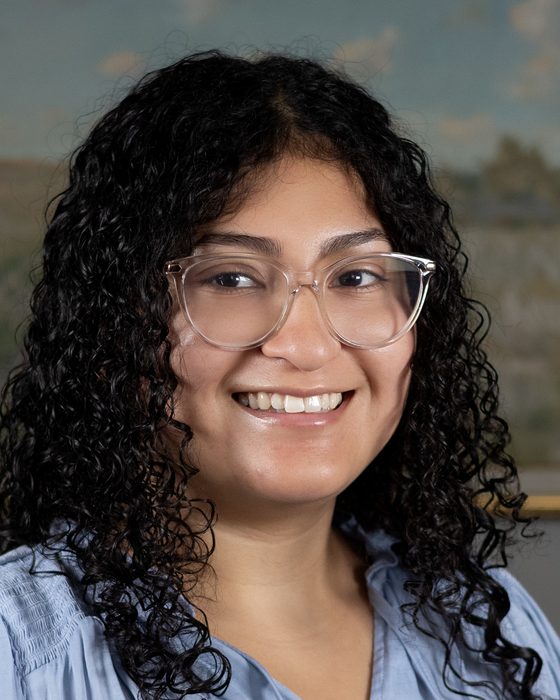
Yenci has always wanted her work to matter to the people around her. In therapy, she is warm and friendly, but also gently direct when a client needs accountability, clarity, or a little encouragement to keep moving.
Yenci enjoys working with children, teens, and young adults navigating anxiety, life transitions, relationships, and other periods when life seems to be changing all at once. She wants clients to understand what is happening and leave with skills they can actually use outside the therapy room.
Yenci uses Cognitive Behavioral Therapy (CBT), Dialectical Behavior Therapy (DBT), and attachment theory. She helps clients look at the connection between thoughts, feelings, and behavior, while also asking how earlier relationships may still be shaping the way they connect with people now. Yenci helps clients make sense of their experiences and patterns while discovering new ways to move forward with greater self-compassion and confidence.
Yenci is a first-generation Salvadorian American and grew up bilingual in English and Spanish. She provides counseling in both English and Spanish and welcomes clients from diverse backgrounds and life experiences. She understands that culture, family expectations, identity, relationships, and the communities we move between can all shape how we experience life. She creates a space where clients feel understood, supported, and empowered to explore what matters most to them.
Yenci earned a Bachelor’s degree in Sociology and a Master of Science in Clinical Mental Health Counseling from Longwood University.
Yenci knows starting therapy can feel awkward or intimidating. She does not expect someone to walk in already knowing what to say. Her job is to make the relationship approachable and keep the work focused on what the client came in hoping to change.
No therapists match that. Try another office, or let the intake team match you.
Still not sure?
You do not have to choose alone. Tell our intake team what matters to you, and we will help identify appropriate options.
Leadership and support team
The people who lead the practice and who answer when you reach out.
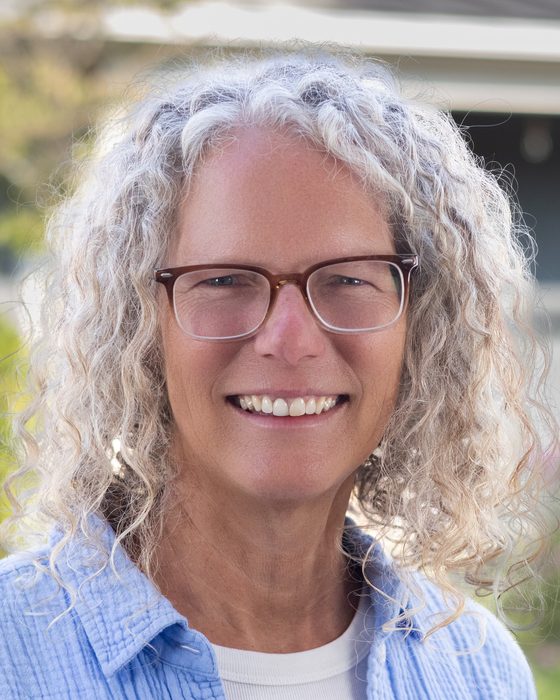
Anne Luckinbill, LPC, NCC, ACS, is the founder of Seasons Counseling, a Licensed Professional Counselor in Virginia and North Carolina, a National Certified Counselor, an Approved Clinical Supervisor, and a Certified Emotionally Focused Therapist. Today, she leads the practice, supervises clinicians, and develops the systems and culture that support consistent, thoughtful care across Seasons Counseling's Virginia locations.
Anne no longer maintains an individual therapy caseload. Her focus is leading Seasons, supervising clinicians, and strengthening the systems and culture that support thoughtful, connected care across the practice.
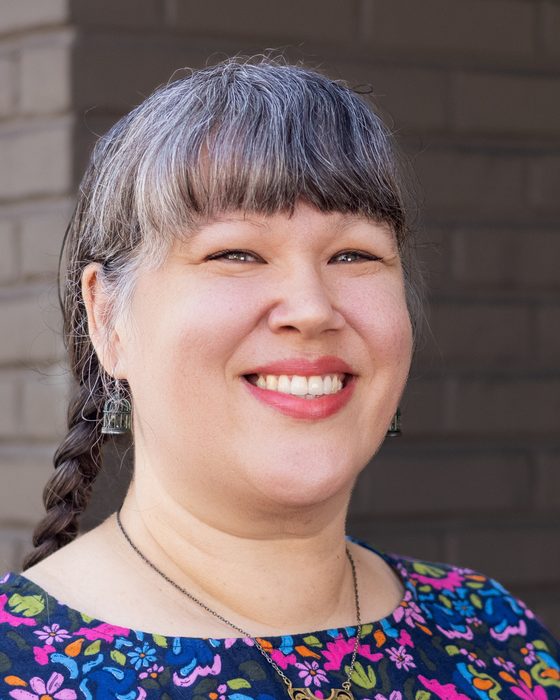
Camilla comes to Seasons Counseling with decades of administrative experience in both mental and public health settings. Her goal is to make obtaining mental health services as seamless and as easy as possible; removing barriers to care. Camilla is a core part of the Seasons’s team and often the first voice of compassion someone seeking care hears.
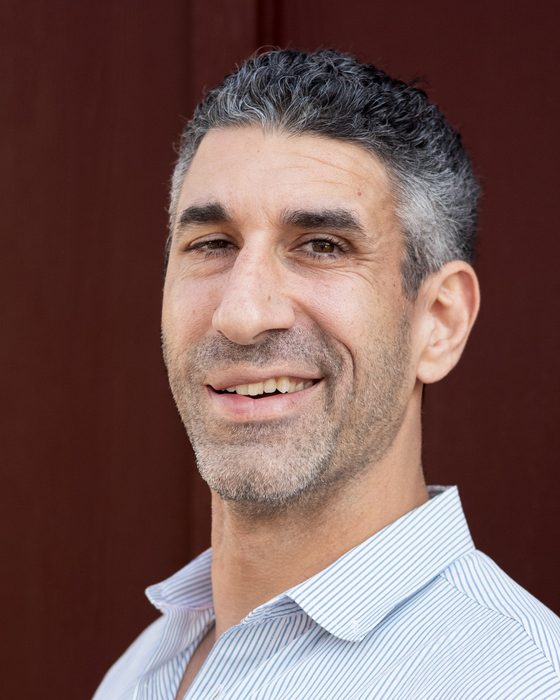
Daniel brings more than 25 years of experience in marketing, sales, growth strategy, and business development. He has worked across service-based industries, including healthcare, helping organizations clarify their message, improve the client experience, and build sustainable systems for growth.
As Marketing Director for Seasons Counseling, Daniel leads marketing strategy across brand, digital, content, referral development, and growth initiatives. His focus is making it easier for people to find the right care while supporting the clinicians and team members who provide it. He works closely with Seasons’ leadership to connect marketing decisions to the practice’s mission, growth goals, and commitment to compassionate, evidence-based care.
Daniel believes the best marketing is honest, rooted in service, and always keeps the client at the center of the conversation. His approach to Seasons is simple: support the people doing meaningful work, remove friction for the people trying to find help, and build systems that allow the organization to reach more families without losing what makes it personal.
Outside of work, Daniel is a husband and father of three, a lifelong musician, and a Brazilian Jiu-Jitsu black belt.

Gene runs non-clinical operations for Seasons Counseling.
You do not have to figure everything out before asking for help.
Tell us what you need, and we will help you take the next step.